Published: 1st March 2022
Publisher: Wide Eyed Editions
Illustrator: Joana Estrela
Translator: Jay Hulme
Pages: 40
Format: Picture Book
★ ★ ★ ★ ★ – 5 Stars
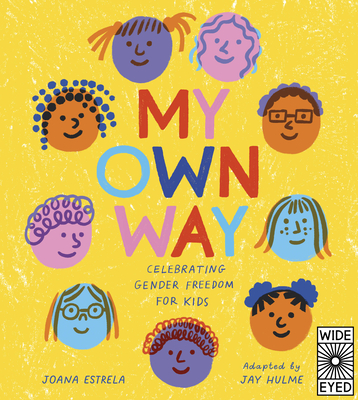 Small children are often asked to choose between a gendered binary–”boy” or “girl”, “pink” or “blue”. This colorful picture book smashes these stereotypes and encourages the reader to follow their own way!
“Girl or Boy?”
What brings you joy?
“Pink or blue?”
It’s up to you.
With vibrant illustrations and concise, poetic text, this powerful book teaches young children that there are no limits in what you can do and who you can be. You are unique!
Translated from the original Portuguese by award-winning transgender poet Jay Hulme, My Own Way is an important, timely, and beautiful celebration of identity, difference, and respect.
I picked this book up with reasonable expectations but I wasn’t expecting it to be as profound and lovely as I did. There are sometimes only three words on a page but they are impactful words. The story reminds the reader that it’s up to them to decide who they want to be. It starts off familiarly with the choice of blue or pink, girl or boy, emphasising what brings you joy is most important.
There’s wonderful messages that whether man or woman you should be as kind as you can, also that boy and girl doesn’t cover everyone and you might be both or none. I love that a book with such simple text can actually be more impactful than a story where a child is exploring their identity through a plot. Those are amazing as well, but I loved the simplicity of this.
There are fantastic lines like “your truth isn’t hidden underneath your clothes” and “your truth is something only you can know”. Kids should be told they can be and feel however they want and it’s ok, that there’s more to them than whether they are a boy or a girl and Estrela and Hulme do that beautifully. There is also a great message that it’s up to each person to say who they are and no one else.
The pictures are simple and minimal on character detail but they accompany the words well. Full page and brightly coloured they stand out with unusual colour combinations as well as great symbolic use that colours don’t always match the people society expects them to match.
With only a few words there is a lot of important lessons being learnt and I’m amazed that so much can be said with so few words and I applaud Estrela and Hulme for presenting it so well.
You can purchase My Own Way via the following
QBD | Booktopia | Book Depository
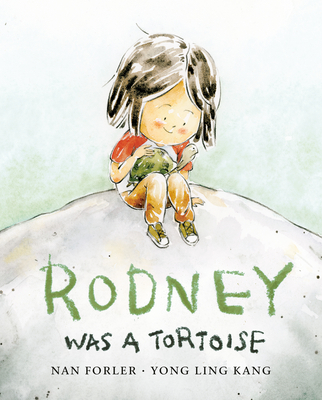 Bernadette and Rodney are the best of friends. Rodney’s not so good at playing cards, but he’s great at staring contests. His favorite food is lettuce, though he eats it VERRRRRRY SLOOOOOWLY. And he’s such a joker! When Bernadette goes to sleep at night, Rodney is always there, watching over her from his tank.
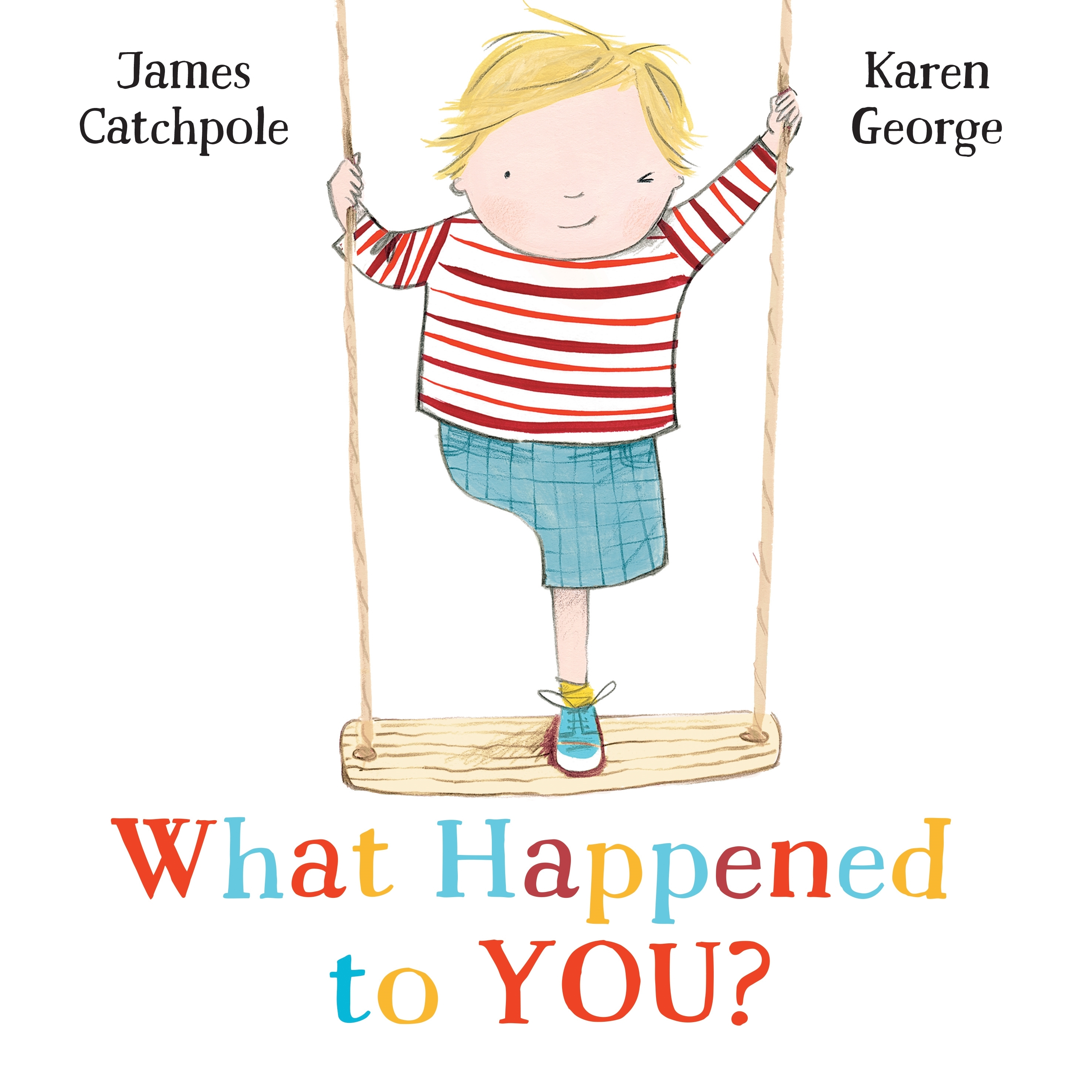 This is the experience of one-legged Joe, a child who just wants to have fun in the playground. Constantly seen first for his disability, Joe is fed up of only ever being asked about his leg. All he wants to do is play Pirates.
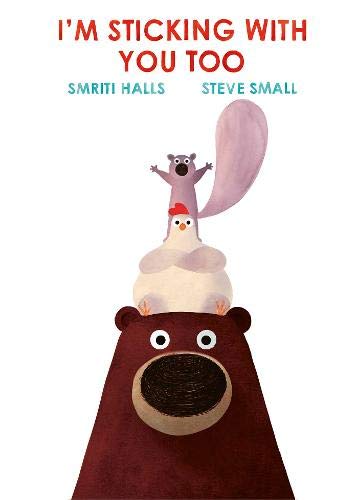 Much-loved characters Bear and Squirrel are back! And they’ve found the perfect rhythm for their friendship. Until, that is, Chicken turns up… She wants in! But how will Bear and Squirrel feel about accepting a new friend? Will they come to see that some things work out when we do them together. That two can be good…but three can be BETTER?
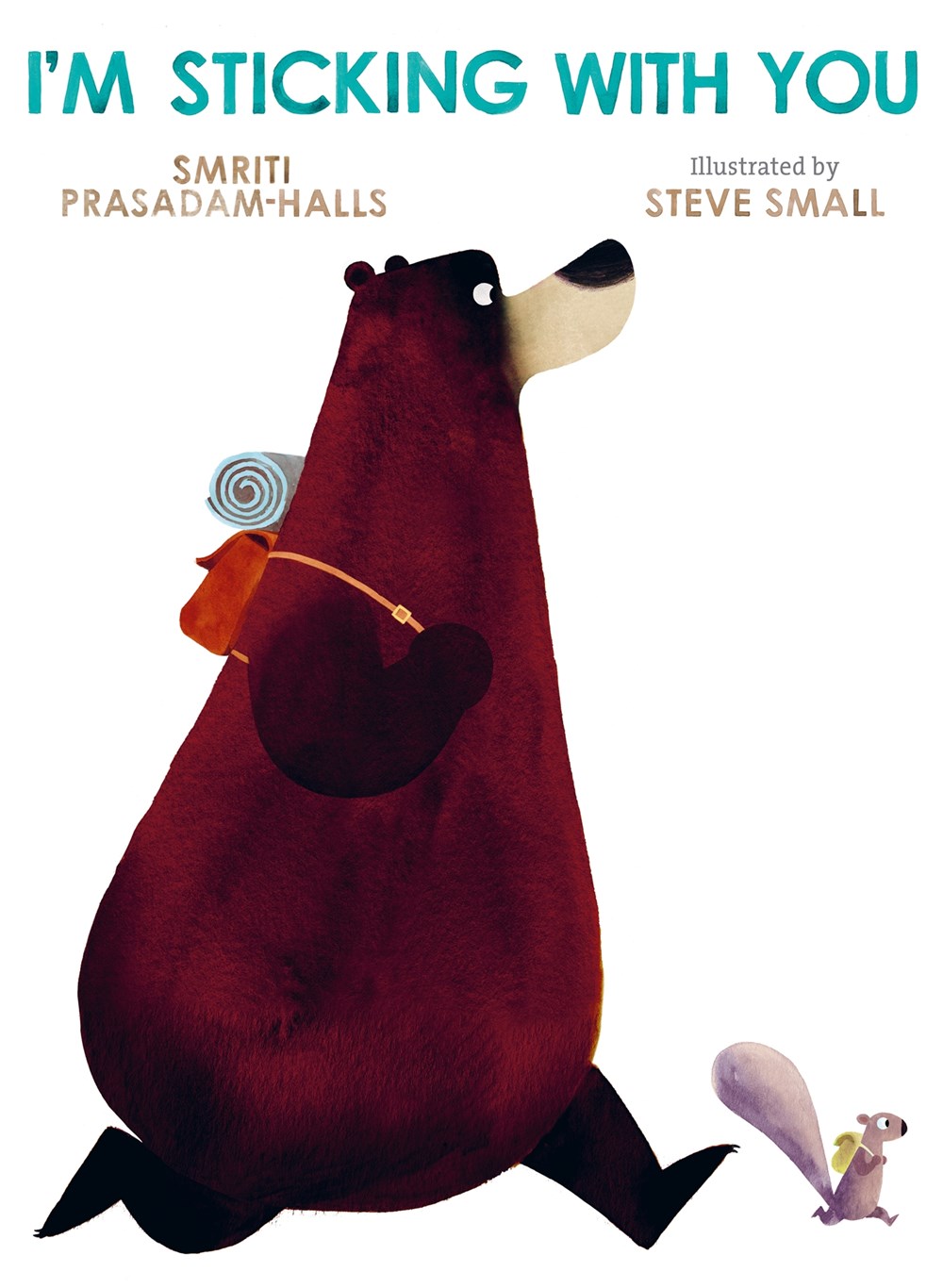 Bear and Squirrel are best friends. Wherever Squirrel goes, Bear follows. Bear vows to stick with Squirrel whether he’s grumpy, or silly, or mad–which is put to the test when Bear sinks Squirrel’s canoe. And catapults him from the seesaw. And breaks his favorite mug.