Published: 28 January 2020 (print)/28 January 2020 (audio) 
Publisher: Inkyard Press/HarperAudio
Pages: 368/8 hrs and 32 mins
Narrator: Richa Shukla Moorjani and Sunil Malhotra
Format: Audiobook
Genre: Contemporary Young Adult
★ ★ ★ – 3.75 Stars
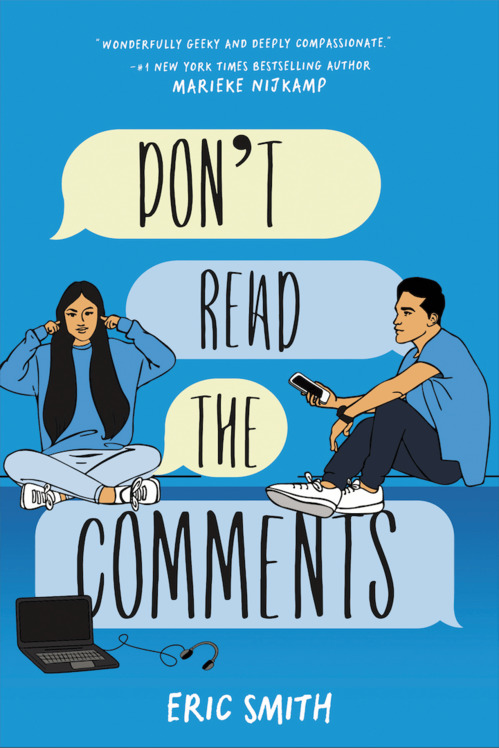 Divya Sharma is a queen. Or she is when she’s playing Reclaim the Sun, the year’s hottest online game. Divya–better known as popular streaming gamer D1V–regularly leads her #AngstArmada on quests through the game’s vast and gorgeous virtual universe. But for Divya, this is more than just a game. Out in the real world, she’s trading her rising-star status for sponsorships to help her struggling single mum pay the rent.
Gaming is basically Aaron Jericho’s entire life. Much to his mother’s frustration, Aaron has zero interest in becoming a doctor like her and spends his free time writing games for a local developer. At least he can escape into Reclaim the Sun–and with a trillion worlds to explore, disappearing should be easy. But to his surprise, he somehow ends up on the same remote planet as celebrity gamer D1V.
At home, Divya and Aaron grapple with their problems alone, but in the game, they have each other to face infinite new worlds … and the growing legion of trolls populating them. Soon the virtual harassment seeps into reality when a group called the Vox Populi begin launching real-world doxxing campaigns, threatening Aaron’s dreams and Divya’s actual life. The online trolls think they can drive her out of the game, but everything and everyone Divya cares about is on the line…
And she isn’t going down without a fight.
This was a curious read because it was interesting, underwhelming, and good. I enjoyed some bits a lot, while other bits could have been fleshed out more. I didn’t need it to be an in-depth gaming book, but I think the mystery and the tension build up could have been better, though the underwhelming revelations are reflections of real life too in that sometimes things aren’t as dire as you think, and money moves the world.
I know this is tech stuff doesn’t mean anything if you don’t know gaming or computers, but I appreciated that they address having the right ports and connection compatibilities. Aaron creating his computer from old parts, and Divya getting new stuff from developers don’t always mean they’ll align. Aaron being a casual gamer is also great. His plan to just roam around in the game, happy to be killed and start from scratch over while still exploring the game as much as the hard pressed gamer, even those more intense players than Divya. It showed a great other side of gaming where there is a scale of people who play these games, each with their own reasons.
I am not one to follow streamers, but I have a glancing understanding of at least two streamers and seeing their interactions with their followers on streams and how they promote and interact was a lot how Divya does, so I appreciate that community side being reflected. Smith demonstrated really well that it’s about supporting fans and them enjoying your videos as much as you simply playing a game. I liked Laura’s shut down of why anyone would watch streamers with the “why would anyone watch sport?” It’s often forgotten that watching someone play a game is as enjoyable and entertaining as watching sport. Even for those with no interest in playing, but also those who are looking to get into the field. It’s interactive, fun, and if you perhaps can’t afford a game or haven’t got the right system, you can still engage in the community.
I know the detective is meant to be the one officer who is trying to stand up for the trolling and harassment, but the fact anyone is trying to do anything was interesting. So often in real life no one does, and the dozens of articles being written about the incidents in the book vs actual consequences is very reflective of real life. Everyone will slightly reword the same article, post the same video, discuss the same issue, but nothing will happen. No one gets banned, no one gets arrested. I feel at a certain level you could trace a few of these people, but again, it depends what actual resources are being put towards it. I think this is Smith’s ideal world where there is actually interest in stopping the doxing and bullying that happens to women gamers in real life.
Aaron’s naivety is interesting. I liked that even he who gets his own kind of racism, is still unaware of the misogyny and hate directed towards Divya. It’s a good choice to have him be unaware than try and defend it, or play it down. Smith never makes him a villain either for not being aware, it’s a different world than he’s used to and once he learns he wants to help as best he can.
These parts are good. Aaron as a character is a teeny bit annoying, his whole thing about his dad was weird. But I liked how he can have an argument with his mum, out rightly tell her to stop pushing him into a career he doesn’t want and everything, and yet they don’t let it ruin their relationship. She accepts it but still continues, and he apologises but doesn’t change his mind. It might be a cultural thing or a nice realistic part of the teen experience where things are said but mums are still mums and teenage outbursts aren’t a thing to get worked up over.
I love that Aaron, who has a non-subtle saviour complex, doesn’t need to do anything, even when he tries to “save” Divya she’s already in the process of saving herself. Smith uses the story to call out Aaron’s behaviour, even has other characters call it out, but there’s no malice. In different circumstances it might be sweet, albeit patronising, but it doesn’t come across as creepy, just misguided.
The whole book isn’t entirely about the harassment. I loved reading about the gameplay experience, exploring this mythical game and how the interaction works with other players. It’s not Ready Player One or Tomorrow, and Tomorrow, and Tomorrow – there isn’t a full break down of the history of gaming, nor do character spend their time discussing old gaming systems and favourite games. It’s a story accessible to anyone even if they don’t know about video games. But it a great reflection of the role videos game play, how they are both equalisers but also dividers in terms of accessibility, and the different experiences they have.
You can purchase Don’t Read the Comments via the following