Today it is hard not to know about the little yellow bear and his friends in the 100 Acre Woods, and with so many decades of media, stories, and merchandise the bear of very little brain has crossed over generations and has been loved by millions of children.

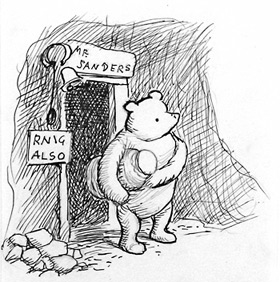
E. H. Shepard’s design
The image of Pooh that Disney has produced has been transformed from Milne’s original creation; certainly the look of Pooh and his friends have changed from E. H. Shepard’s gorgeous illustrations. His transformation is not new though as there were a few changes even back in the beginning before we got the bear we know today.
The character of Winnie the Pooh didn’t actually make his debut in the 1926 book Winnie the Pooh. Before publishing the book Milne had been publishing stories and poems in a variety of magazines such as Punch, Vanity Fair, and St Nicholas Magazine. Not yet named, the bear makes an appearance in a poem entitled ‘Teddy Bear’ which was published in Punch in February 1924. The first time the name Pooh appears is in a story published in the London Evening News on Christmas Eve in 1925 under the title “The Wrong Sort Of Bees”. This story is actually reprinted as the first story of the book collection.
The bear itself was purchased in 1921 by Christopher Robin’s mother, Daphne, from Harrods department store in London. Originally called Edward Bear the name Winnie the Pooh has a two part origin, ‘Winnie’ Christopher Robin got from a black bear he loved at London zoo, and the ‘Pooh’ part was named after a swan. There is an ongoing fact saying this is referenced in Milne’s poem ‘The Mirror’ but this poem, the only one that mentions a swan, doesn’t mention Pooh at all. It is only in the introduction that Milne mentions that Christopher Robin called the swan mentioned in the poem, Pooh.

Slesinger’s design on a 1930s board game
With a name change in his past, Pooh also undertook a few design changes. From Shepard’s original drawings the now well-known Pooh design was adapted by Disney from the design created by Stephen Slesinger which he created in the 1930s. Slesinger acquired the US and Canadian rights to Winnie the Pooh in the 1930s from Milne and was responsible for the commercialisation of Pooh for more than 30 years. When Disney was granted the rights to certain aspects of Pooh in the 1960s the design was adopted as well.

Disney’s well known design
The many beginnings of Milne’s work make a good argument for the true first appearance of Pooh but as it stands 1926 and the publication of Winnie the Pooh is the recognised anniversary. At 90 years old it doesn’t matter exactly where Pooh Bear came into the world, he has cemented himself in it now that there’s no chance of him disappearing any time soon.
 Winnie the Pooh is a story known by adults and kids alike and loved for generations. This October marks the 90th anniversary since A. A. Milne published his story and it’s an amazing journey that the little bear has gone through over the years. Winnie the Pooh was first introduced to the world back in 1926 through numerous short adventures that Milne told in the book entitled Winnie the Pooh. Following Pooh’s adventures in the mythical 100 Acre Woods more characters are introduced and the little band of friends we know today are revealed.

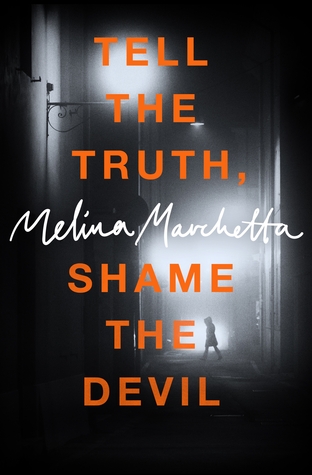 Chief Inspector Bish Ortley of the London Met, divorced and still grieving the death of his son, has been drowning his anger in Scotch. Something has to give, and he’s no sooner suspended from the force than a busload of British students is subject to a deadly bomb attack across the Channel. Bish’s daughter is one of those on board.
 She got her fairytale ending — but life had other plans …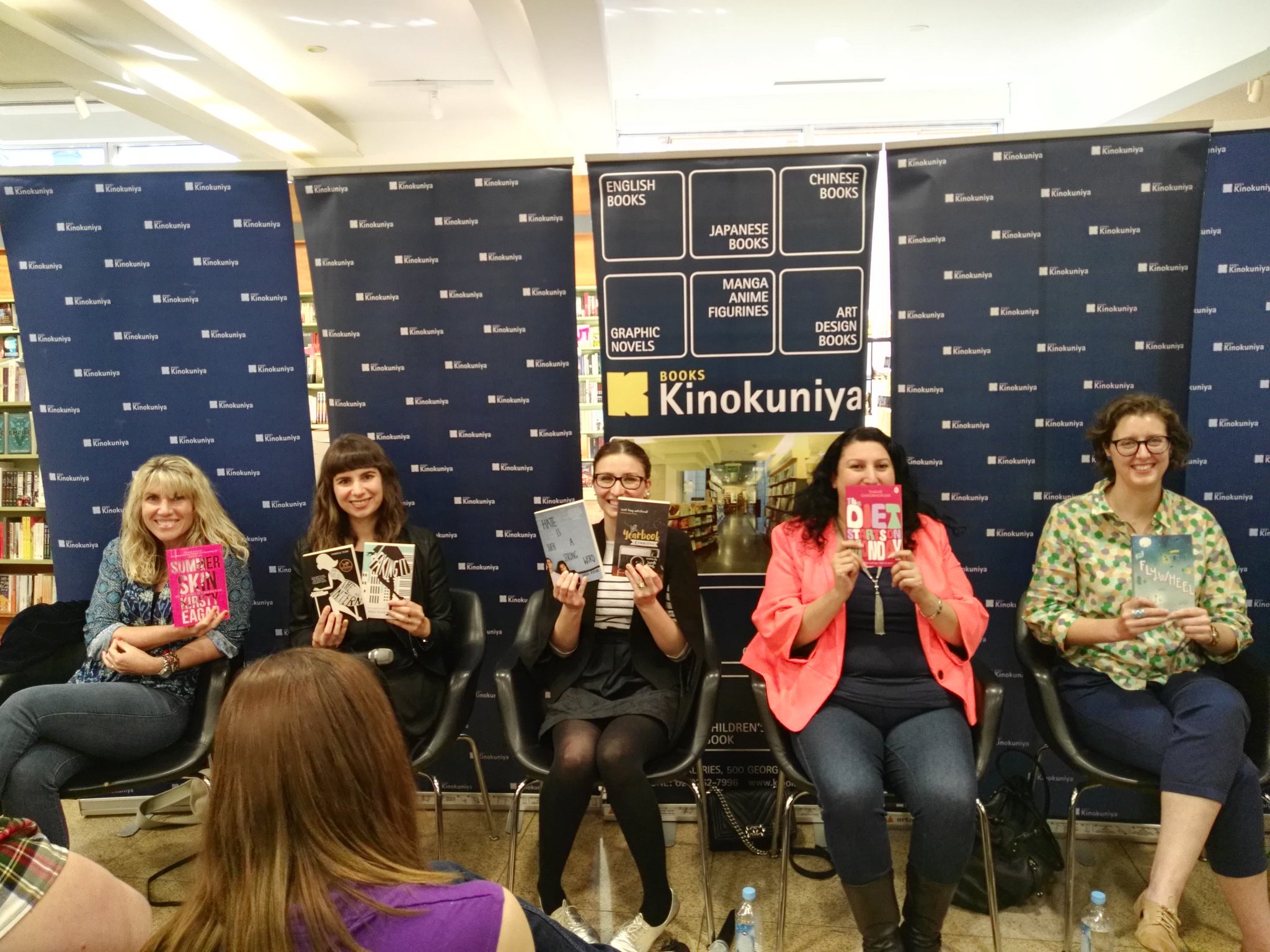
 It was lovely to hear the panel talk about why they love the Aussie YA community, praising our passion and how engaging we are. Kirsty loving our open mindedness and how open-hearted we are, while Sarah loved how vocal we are about the books we love. Tamar mentioning along the same lines how she loved seeing readers react with books and characters. The common opinion from all five was how accepting the YA community is, which is a wonderful thing to have recognised by other people.